
In this guide
In short
Keep health appointments, current information, and follow-up tasks together so you can find what you need before the next visit. Record instructions from your care team accurately, and use reminders to support those instructions.
- Confirm the correct person's record.
- Check the appointment confirmation and preparation instructions.
- Keep current medication information available.
By the end of this tutorial, you will have an appointment checklist, a current-information checklist, and a plan for requesting refills through your usual provider. This is an organization workflow; it does not determine treatment or change medication instructions.
Create a clear record for each person
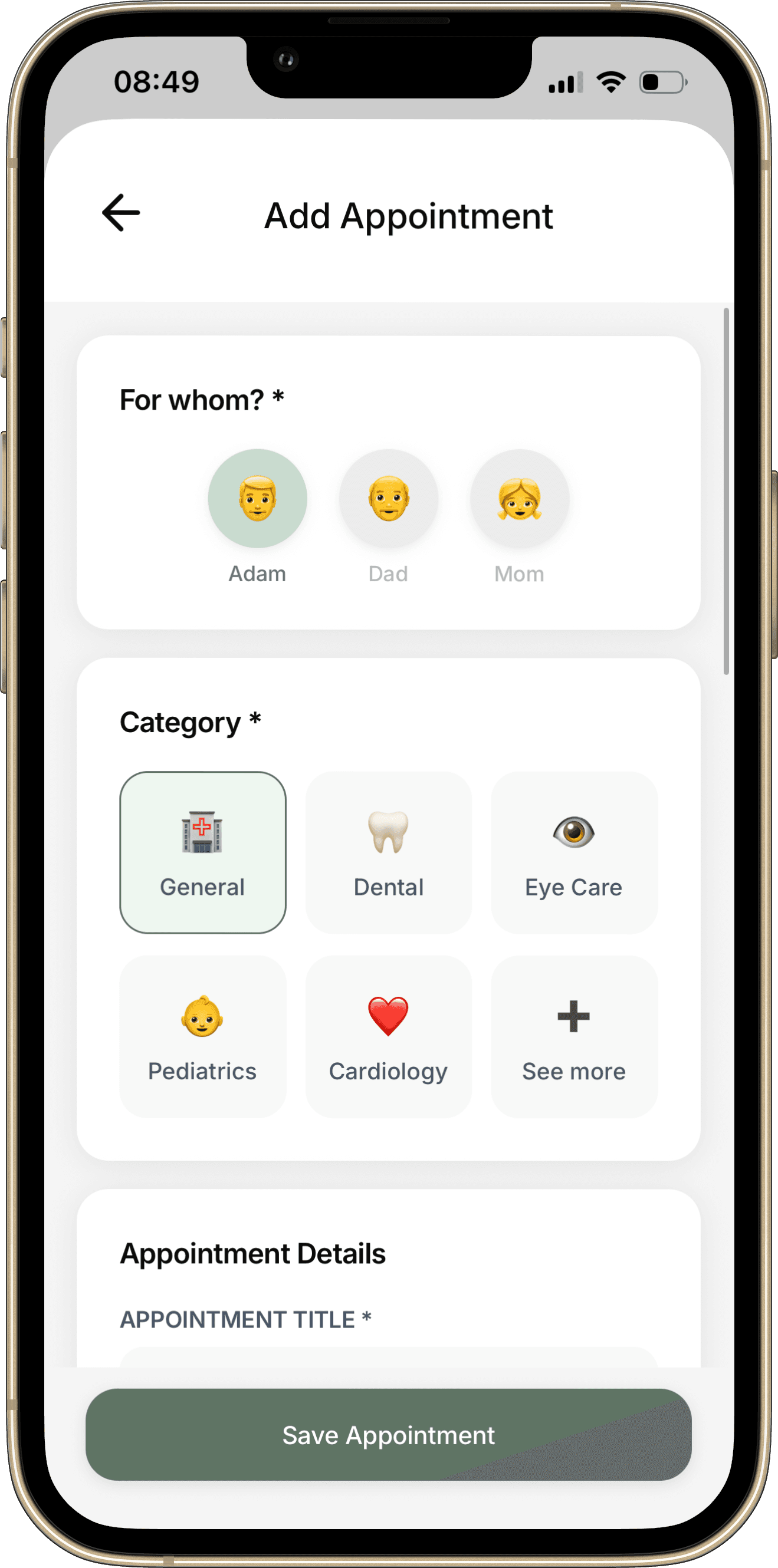
If you organize information for more than one person, keep their records distinct. Confirm the selected person before adding an appointment, medication, or observation.
Keep a short index of where important information lives: provider contact details, appointment letters, medication instructions, relevant reports, and follow-up notes. You do not need to copy an entire medical history into every calendar entry.
Use precise titles such as "Dental review at River Clinic" rather than "Appointment." Include the confirmed date, time, location, and any instructions provided by the clinic.
Keep current medication information accurate
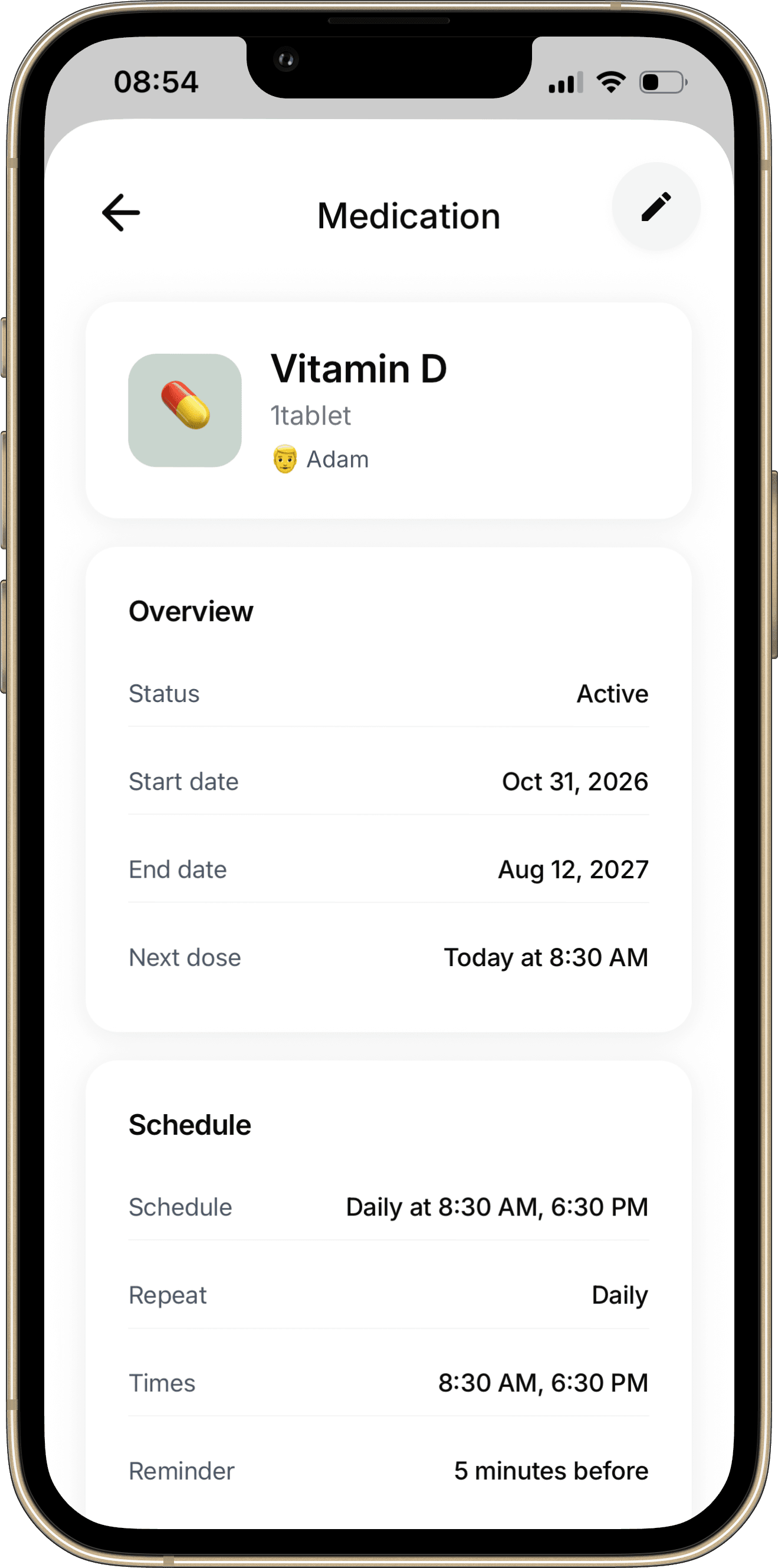
The FDA recommends maintaining an up-to-date list that includes prescription medicines, nonprescription medicines, vitamins, and supplements. Relevant details include names, strengths, purpose, and instructions for when, how, and how much to take. Include allergies and appropriate emergency contact information, and keep a copy available for appointments. FDA: create and keep a medication list
Copy the current instructions from the prescription, label, or care team. If two sources disagree, ask your clinician or pharmacist to clarify them before changing the record. A planning app should not be used to guess a dose or resolve conflicting medical instructions.
Review the list after a confirmed change, and record when it was checked. An old list with no review date can be difficult to distinguish from the current one.
Plan the whole appointment
The time in the calendar should account for more than the consultation. Consider travel, arrival instructions, paperwork, and anything you need to arrange afterward.
Here is a fictional appointment plan. The travel times are assumptions for the example, not clinic instructions.
| When | Action | Completion condition |
|---|---|---|
| Monday evening | Review appointment confirmation | Time, location, and preparation instructions checked |
| Tuesday evening | Gather information and questions | Current medication list and relevant notes ready |
| Wednesday, 08:30 | Leave for the clinic | Travel begins with the planned margin |
| Wednesday, 09:15 | Attend the confirmed appointment | Visit takes place |
| After the appointment | Record the agreed next steps | Follow-up tasks and instructions captured accurately |
Write a short list of questions in advance. For observations you want to discuss, record what happened and when, rather than labeling it with a diagnosis you have not been given.
Appointment preparation should follow the clinic's instructions. If those instructions are missing or unclear, contact the clinic; do not invent fasting or medication changes from a generic checklist.
Treat a refill as a process with several steps
A refill can involve requesting a prescription, approval, dispensing, and collection or delivery. Mark those stages separately when they matter.
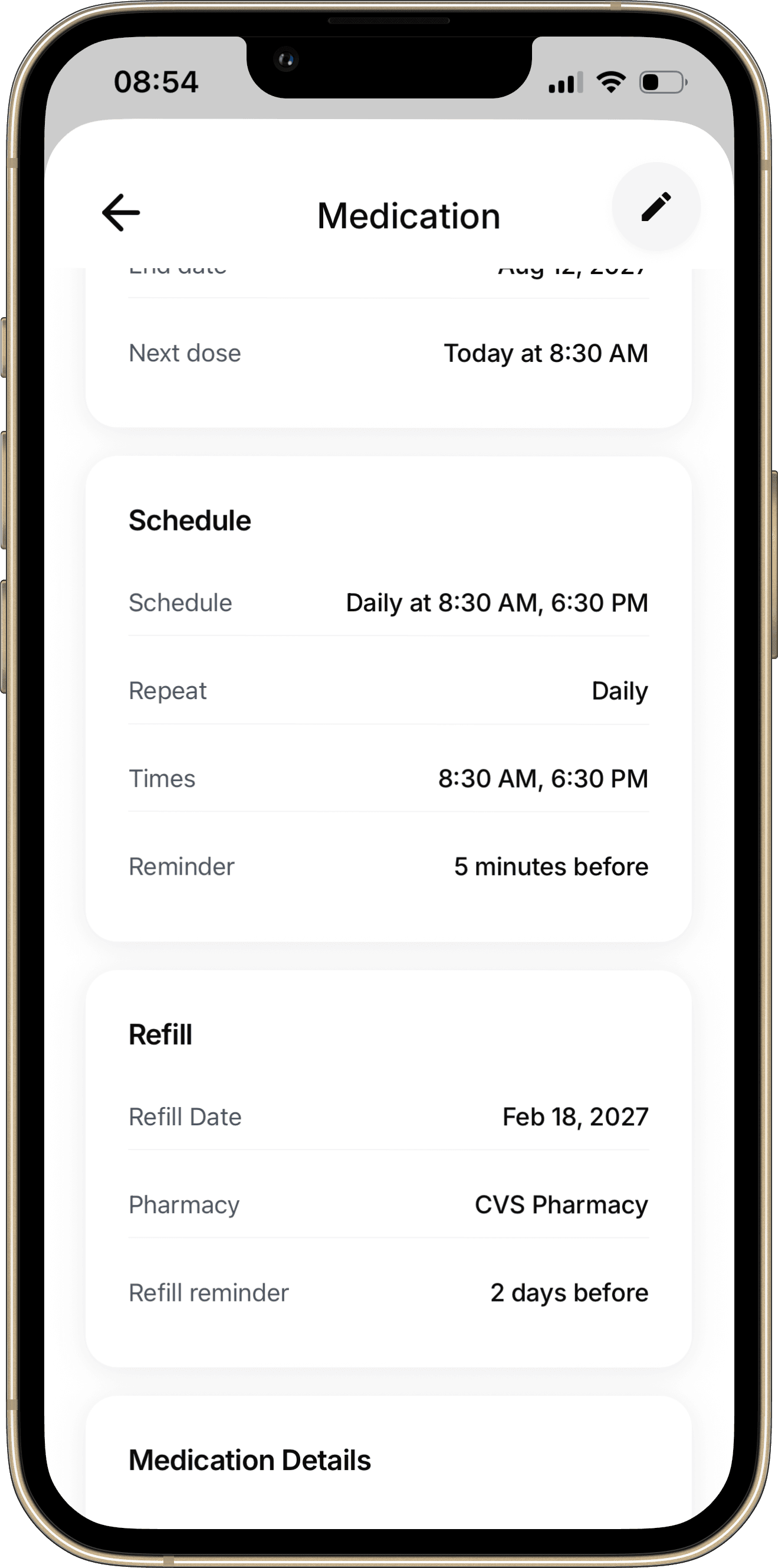
Ask your usual prescriber or pharmacy how early to request your medicine and what affects availability. Include weekends, holidays, travel, or required reviews in that conversation. For example, NHS guidance in England advises requesting repeat prescriptions up to five working days before they are needed; that is local guidance, not a universal lead time. NHS: ordering a repeat prescription
Use a reminder based on the process confirmed for you. "Request sent" and "medicine collected" are different states. A reminder marked complete does not establish that the medicine is available.
If your supply may run out, contact your pharmacist or prescriber promptly. Do not change your dose to make the supply last unless your care team tells you to.
Close the loop after a visit
Record the instructions you were given and the actions you need to take. Distinguish "appointment requested" from "appointment confirmed" and "test completed" from "result received."
If you were told when or how results would arrive, note that process and any instructed follow-up. Do not interpret a missing message as a normal result.
Keep sensitive details in the appropriate record. A visible calendar title can stay brief while the detailed notes remain where you normally manage them.
Use the workflow in Planique
In Health, select the appropriate profile before adding information. Appointment records can include a title, date and time, duration, provider, location, and preparation notes. Medication records include schedule and refill-related information.
Review scheduled health activities alongside your other commitments. Keep travel or preparation tasks visible where needed, and verify reminders against the instructions and arrangements you have actually received.
Your appointment and refill checklist
- Confirm the correct person's record.
- Check the appointment confirmation and preparation instructions.
- Keep current medication information available.
- Write the questions you want to ask.
- Include travel and practical arrangements in the plan.
- Record agreed follow-up actions after the visit.
- Confirm the refill process and lead time with your provider.
- Track requesting and collecting separately.
Common questions
Can I keep everything in one calendar note?
Use a calendar note for the immediate action and an organized record for information you need over time. Avoid repeatedly copying details that may later change.
What should I do with conflicting instructions?
Ask the relevant clinician or pharmacist to clarify. Record the confirmed instructions and when they were checked.
What if I manage appointments for a family member?
Agree who handles bookings, preparation, and follow-up, and use the person's consent or appropriate authority when accessing or sharing information.
Continue with How to Do a Weekly Review to check upcoming appointments and administrative tasks regularly.
Make it your own
Health appointment and refill administration worksheet
Use the blank worksheet to plan your own example. Print it or save it as a PDF from your browser. It is a planning document and does not import records into the app.
Open printable worksheetKeep the details with the plan.
Explore how Health fits into Planique Planner's connected approach to everyday planning. Planique is in early access.